
The treasurer job, done by someone who wanted it.
Flying clubs and co-ownerships. Monthly books, partner basis that survives a member leaving, and the 1065 with K-1s your members can hand to their own preparer.
This page is for clubs that file a 1065. A nonprofit flying club that files a 990 has its own page: nonprofit flying clubs and pilot associations.
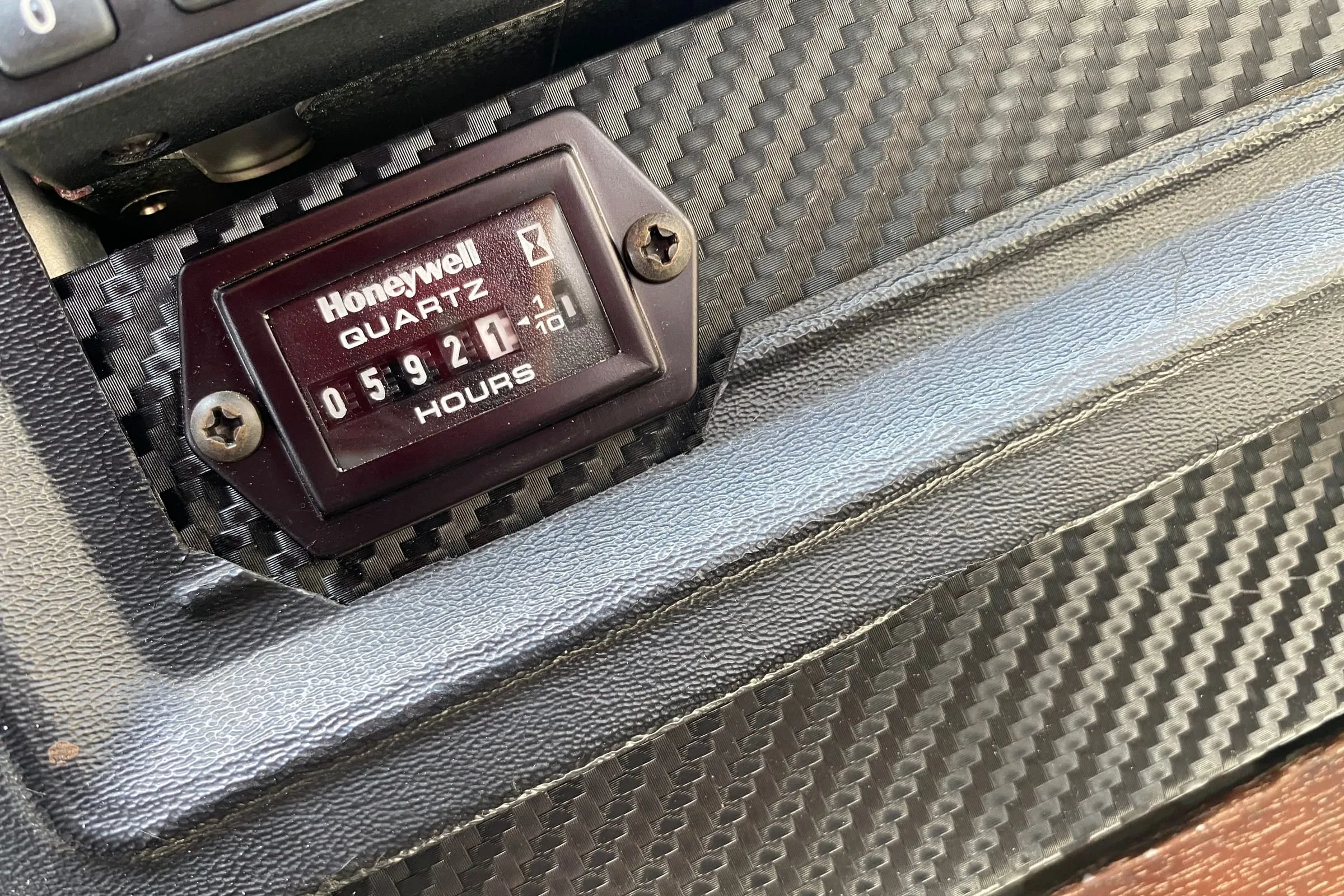
Why this lands on one person
Every club has a treasurer, and the treasurer is a member who volunteered or drew the short straw. The job is real work: monthly reconciliation, dues and flight billing, a maintenance reserve that has to actually be there when the engine makes a noise, and a partnership return in the spring that most people have never seen before.
Then the treasurer moves, or sells their share, and the next one inherits a spreadsheet with no history in it. Three treasurers later nobody can reconstruct who put in what, which is fine right up until somebody leaves.
I’m the treasurer of an aircraft partnership. I’ve closed these books and filed these returns from the inside, which is a different thing from an accountant who happens to fly.
What the year actually looks like
Every month
Dues and flight billing reconciled against the Hobbs and tach, fuel and oil posted, the maintenance reserve funded according to the budget, and a one-page statement the board can read in the meeting.
When somebody joins or leaves
Buy-in recorded to the right capital account, departing member bought out at a number both sides can see the arithmetic behind, and basis adjusted so the K-1 in March isn’t a surprise.
After a big maintenance event
An engine overhaul or a panel upgrade is a capital contribution question and a depreciation question at the same time. Booked wrong, it unintentionally moves money between members.
January through March
The 1065, the K-1s, and a plain-language note to each member explaining what the numbers on their K-1 mean and what to hand their own preparer.
The entity question
Clubs reach for an LLC because it’s the easiest thing to form. Then they find out what comes with it. A multi-member LLC is taxed as a partnership by default, and a partnership can’t be a 501(c)(7) social club, so the members pay tax on the club’s income through their K-1s. (An LLC that claims exemption is treated as a corporation, which is a different arrangement with its own paperwork.) An LLC also has no built-in nonprofit governance. And under the FAA’s airport compliance rules (Order 5190.6C), what matters to an airport sponsor is whether the club actually operates as a nonprofit: members only, no renting the airplane out. Clubs that want exempt status usually organize as a nonprofit corporation instead.
Whether that matters to your club depends on your size, your lease, and how your airport behaves. It’s a twenty-minute conversation and worth having before it becomes a renewal problem.
A note on conflicts
If you’re asking me to prepare a partnership return and K-1s for partners whose interests can pull in different directions, Circular 230 section 10.29 says I can only go ahead if I reasonably believe I can serve everyone competently and each person affected gives informed consent, confirmed in writing. This is not uncommon, and I include this in the engagement letter.
What it costs
Partnership books and the 1065 are quoted from your facts: how many aircraft, how many members, how the dues and the hourly rates are collected, and what shape the books are in when I get them. You get one fixed number in writing before any work starts.
Basis reconstruction, and the tax side of an entity conversion, are quoted separately after a look at what’s there. The conversion documents themselves are your attorney’s work. A nonprofit club that files a 990 is on the published club plan instead, from $395 a month: nonprofit flying clubs.
Questions people ask
- We are an LLC. Is that wrong?
- Not automatically, but it’s worth a look. An LLC with several members is taxed as a partnership unless it elects otherwise, and a partnership can’t be a tax-exempt social club. So the club’s income flows out to the members on K-1s, which is fine if that’s what everyone signed up for and awkward if members weren’t expecting it. (An LLC that applies for exemption is treated as a corporation for tax purposes instead.) There’s also an airport access question: under FAA Order 5190.6C, the airport sponsor can ask a club to show it operates as a nonprofit flying club rather than a commercial operator. Whether a change is worth the trouble depends on your size, your bylaws and your airport.
- Can the partnership take bonus depreciation on the airplane?
- Maybe. An airplane falls under Section 280F, the tax code’s extra rules for things used partly for business and partly for fun. Bonus depreciation needs business use above half of the airplane’s total use, and the partners’ own personal flying doesn’t count as business use. A co-owned airplane flown mostly for fun usually won’t clear that bar. The Aircraft Depreciation Review checks it.
- Nobody has tracked partner basis since 2019. How bad is that?
- Fixable. It’s reconstruction work: contributions, distributions, allocated income and loss, and the capital events in between. How long it takes depends on how many years and members are involved, and it’s much cheaper than discovering the gap on the day a member leaves and disputes the buyout.
- We have twelve members and a single 172. Are we too small?
- No. Club books are low volume and moderate complexity, and they get quoted on that basis rather than on headcount. The reason to hire it out isn’t volume. It’s that the job carries risk if it’s done wrong.
- Do you work with clubs outside California?
- Yes. The Enrolled Agent credential is federal and works in all fifty states, and club work runs remotely without any trouble. State filing obligations differ, and I’ll tell you if yours needs somebody local for a piece of it.
Book a Ledger Check
Free, 30 minutes, written summary either way. Bring your books, your last return, or a notice you don’t understand.